 VfL Bochum Hub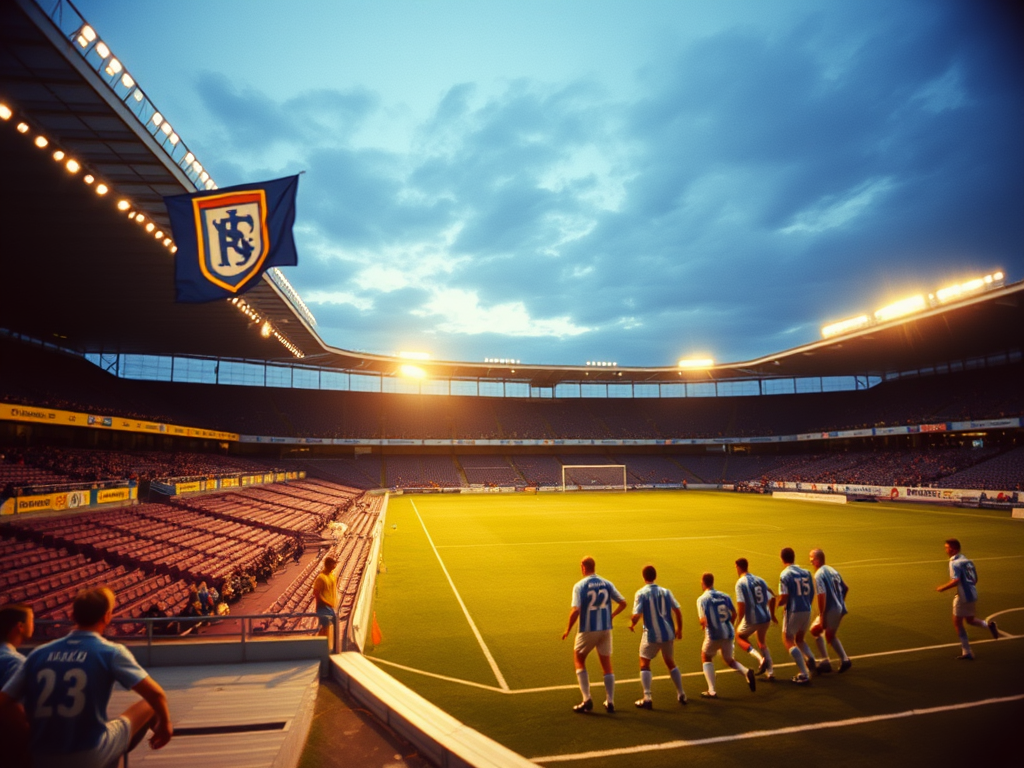
In the annals of VfL Bochum's rich history, the 1997 UEFA Cup campaign stands out as a significant chapter that showcased the club's resilience and ambition on an international stage. At a time when Bochum was establishing itself as a competitive side in the Bundesliga, their foray into European football provided a platform for the team to demonstrate their capabilities against some of the continent's top clubs.
The UEFA Cup, often overshadowed by the more prestigious UEFA Champions League, served as a proving ground for clubs like Bochum, who were eager to make their mark. Under the astute management of Klaus Toppmöller, the team approached the tournament with a blend of youthful exuberance and seasoned experience, creating a squad that could challenge opponents with confidence.
Bochum’s journey in the tournament began in the first round, where they faced the formidable Turkish side, Galatasaray. Although the first leg ended in a disappointing 2-0 loss at the Ali Sami Yen Stadium, Bochum returned home to the Ruhrpott with a steely determination to overturn the deficit. The second leg at the famed Ruhrstadion was a display of tactical prowess and indomitable spirit, as Bochum managed to take the match to extra time, only to fall short in the end.
Despite the heart-wrenching exit, the campaign was notable for several reasons. It highlighted the club's ability to compete at a higher level, drawing attention to emerging talents who would go on to impact the Bundesliga significantly. Players like Thomas Christiansen and Miroslav Klose, who were pivotal during this period, showcased their skills on the European stage, earning admiration from fans and scouts alike.
The 1997 UEFA Cup also reignited the passion of the VfL Bochum fanbase, who filled the stands with unwavering support, transforming the Ruhrstadion into a fortress. The atmosphere during home matches was electric, with fans rallying behind their team, creating moments that would be etched in memory long after the final whistle.
Moreover, this campaign brought a sense of pride to the city of Bochum. The club's participation in the UEFA Cup was a reflection of the local community's spirit—one that refuses to back down in the face of adversity. It reminded everyone that VfL Bochum was not just a team; it was a symbol of hope, determination, and resilience.
In the years following this campaign, Bochum continued to navigate the ups and downs of German football. However, the spirit and lessons learned during the 1997 UEFA Cup journey laid the groundwork for future successes, reinforcing the belief that VfL Bochum, as the nickname "Die Unabsteigbaren" suggests, is a club that is built to endure.
As we reflect on that memorable campaign, it serves as a reminder of Bochum's potential and the dreams that can be realized when talent, strategy, and community come together. The echoes of that UEFA Cup adventure still resonate among fans, encapsulating the essence of what it means to be a part of VfL Bochum—where every match is a chance to write a new chapter in the club's illustrious history.